 By Admin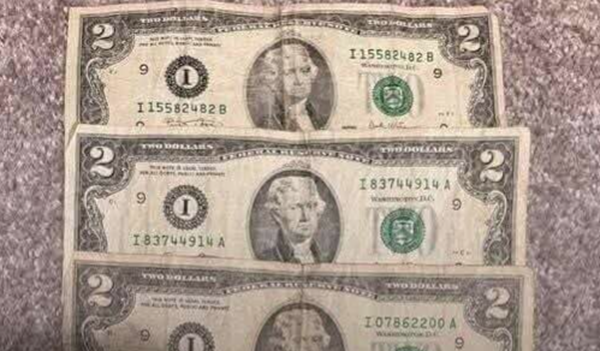
Most people never think twice about a two dollar bill. It gets tossed into tip jars, forgotten in drawers, or handed over at a store like ordinary pocket change. But what if that small bill sitting quietly in your wallet could actually be worth hundreds or even thousands of dollars?
Collectors across the country are constantly searching for rare two dollar bills, and some versions have become highly valuable due to their age, condition, serial numbers, and printing history. What looks like ordinary currency to most people could turn out to be an overlooked collector’s item hiding in plain sight.
Why the $2 Bill Is So Unusual
The two dollar bill has always been one of the most misunderstood forms of American currency. Because it is rarely seen in everyday transactions, many people assume it is uncommon or no longer printed. In reality, the United States still produces two dollar bills, although they circulate far less often than other denominations.
Over the years, the bill developed a reputation as a novelty item. Some people even considered it lucky, while others avoided using it altogether. That unusual history helped make certain versions far more desirable to collectors today.
Older Two Dollar Bills Can Be Extremely Valuable
One of the first things collectors check is the series date printed on the bill. Older notes, especially those produced during the nineteenth and early twentieth centuries, are often worth significantly more than face value.
The earliest two dollar bills date back to the 1860s. Many of these early notes were larger than modern currency and featured completely different artwork and designs. Depending on their condition and rarity, some have sold for thousands of dollars at auction.
Even bills from the 1920s, 1950s, and earlier can carry impressive value if they remain in excellent shape.
Condition Matters More Than Almost Anything Else
A major factor in determining value is condition. Currency collectors pay close attention to how well a bill has been preserved over time.
Bills that are crisp, clean, and uncirculated are usually worth much more than notes that have been folded, stained, or heavily used. Sharp corners, bright paper, and minimal wear can dramatically increase a bill’s market value.
In some cases, a tiny crease can reduce a bill’s worth by hundreds of dollars.
Rare Serial Numbers Can Increase Value Fast
One of the most exciting things to look for is a unique serial number.
Collectors often pay premium prices for what are known as “fancy serial numbers.” These include:
- Repeating numbers
- Low serial numbers with several zeros
- Palindrome or “radar” numbers
- Sequential patterns
- Solid numbers where every digit matches
For example, a serial number like 00000025 or 12341234 can attract serious interest from collectors.
Many people unknowingly spend these bills without ever realizing their potential value.
Watch Closely for Star Notes
Another important detail is the small star symbol found next to some serial numbers.
These are known as “star notes,” and they were printed to replace damaged bills during production. Because they are produced in smaller quantities, they are often more collectible than standard notes.
Older star notes, especially those in excellent condition, can sometimes command surprisingly high prices.
Printing Locations and Signatures Also Matter
Not all two dollar bills were printed in the same quantities. Some Federal Reserve banks produced smaller runs, making certain notes harder to find today.
Collectors also examine Treasury signatures and seal markings, which can identify specific printing periods and increase desirability.
Small details that most people overlook can make a major difference in value.
Never Attempt to Clean a Rare Bill
If you believe you may have a collectible bill, avoid trying to clean or repair it.
Washing, ironing, or pressing currency can permanently damage the paper and reduce collector value immediately. Even small changes to the original texture can hurt authenticity.
Instead, store the bill carefully in a protective sleeve and keep it away from moisture, heat, and direct sunlight.
Professional Grading Can Confirm Authenticity
Serious collectors often use professional grading services to verify authenticity and determine condition. A professionally graded bill is usually easier to sell because buyers have confidence in its evaluation.
If you think your bill could be valuable, getting an expert opinion may be worthwhile before selling or trading it.
Check Your Wallet Before Spending That $2 Bill
Many rare collectibles are hiding in ordinary places. Old wallets, desk drawers, piggy banks, and family keepsake boxes may contain forgotten currency with surprising value.
The next time you come across a two dollar bill, take a closer look before spending it. A simple detail like a rare serial number, a star note, or an older series date could turn an ordinary piece of paper into a valuable collector’s item.
Sometimes the most overlooked money ends up being worth the most.