 By Admin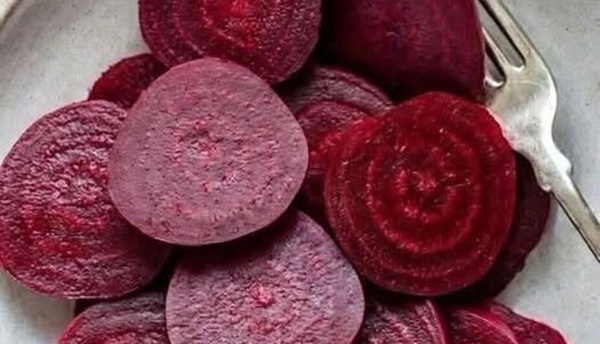
For years, one of the most powerful natural foods for supporting heart health and physical performance has been sitting quietly in grocery store produce sections, often overlooked. It isn’t an expensive supplement or the latest wellness trend. It’s the humble beet—a simple root vegetable packed with nutrients that can benefit your circulation, stamina, and overall well-being.
Scientists continue to study the remarkable effects of beets, and the results suggest they deserve far more attention than they receive.
The Natural Compound That Helps Improve Blood Flow
One of the biggest reasons beets are so highly regarded is their naturally high nitrate content. After you eat them, your body converts these nitrates into nitric oxide, a molecule that helps relax and widen blood vessels.
As blood vessels expand, circulation improves throughout the body. This allows oxygen and nutrients to reach muscles, organs, and the brain more efficiently while reducing the workload on the heart. Better circulation may also contribute to healthier blood pressure in many people.
More Energy Without Another Cup of Coffee
Improved blood flow doesn’t only benefit athletes.
Because oxygen is delivered more efficiently, many people notice increased stamina during exercise, less fatigue throughout the day, and improved recovery after physical activity.
Better circulation can also support mental clarity and concentration. Instead of relying solely on caffeine for an energy boost, regularly eating beets may help provide a steadier source of natural energy.
A Friend to Your Digestive System
Beets are an excellent source of dietary fiber, an essential nutrient that supports digestive health.
Fiber feeds beneficial bacteria living in your gut, helping maintain a balanced microbiome. It also slows digestion, allowing sugars to enter the bloodstream more gradually, which can help reduce rapid spikes and crashes in blood sugar levels.
A healthy digestive system often contributes to better energy, improved metabolism, and greater overall wellness.
Powerful Antioxidants That Fight Inflammation
The rich crimson color of beets comes from natural plant compounds called betalains.
These antioxidants help protect cells from oxidative stress and may reduce chronic inflammation, which has been linked to numerous long-term health conditions.
Research also suggests betalains may support healthy liver function by assisting the body’s natural detoxification processes.
Packed With Essential Nutrients
Beyond nitrates and antioxidants, beets provide an impressive collection of vitamins and minerals that support many important functions throughout the body.
They are rich in:
- Folate, which supports cell growth and healthy red blood cell production.
- Potassium, essential for maintaining healthy blood pressure, muscle function, and nerve communication.
- Manganese, which contributes to strong bones and efficient metabolism.
- Iron, which helps transport oxygen throughout the body.
Together, these nutrients work to support cardiovascular health, energy production, and overall vitality.
Beets Are Healthy—But They Aren’t Magic
Although beets offer many health benefits, they should be viewed as one part of a balanced lifestyle rather than a miracle cure.
Eating beets alone won’t erase years of unhealthy habits, produce instant weight loss, or reverse chronic disease overnight. Lasting health improvements still depend on regular physical activity, balanced nutrition, quality sleep, and routine medical care.
Whole beets are generally a better choice than beet juice because they retain their fiber, which helps moderate blood sugar levels.
A Few Things to Keep in Mind
Most people can safely enjoy beets, but there are a few considerations.
Beets may temporarily turn urine or stool pink or reddish, a harmless condition known as beeturia that can surprise people who aren’t expecting it.
Individuals with a history of calcium oxalate kidney stones may want to limit excessive beet consumption because beets contain oxalates, which can contribute to stone formation in susceptible people.
Since beets may also help lower blood pressure, anyone taking medication for hypertension should speak with their healthcare provider before consuming large amounts of beet juice or concentrated beet supplements.
Simple Ways to Add More Beets to Your Diet
Making beets part of your routine doesn’t have to be complicated.
You can:
- Roast them with olive oil and herbs.
- Add shredded raw beets to fresh salads.
- Blend cooked beets into creamy soups.
- Mix them into grain bowls with quinoa or brown rice.
- Add small portions to smoothies for extra nutrients.
- Pair them with leafy greens, goat cheese, walnuts, or citrus fruits for a flavorful meal.
Small, consistent servings over time are far more beneficial than occasional large amounts.
The Bottom Line
Beets may not receive the attention given to trendy superfoods, but their nutritional value is impressive. Their combination of natural nitrates, fiber, antioxidants, vitamins, and minerals supports healthy circulation, digestive health, sustained energy, and overall wellness.
Rather than searching for expensive supplements or quick fixes, sometimes the most effective health choices are the simplest ones. Regularly including beets as part of a balanced diet may be a small habit that delivers meaningful benefits over time.