Valerie Bertinelli Opens Up About Shame, Healing, and What Her Past Relationships Taught Her
Valerie Bertinelli is reflecting honestly on the painful lessons she has learned from love—and on the importance of finally choosing herself.
During a recent conversation on Dr. Ramani Durvasula’s Navigating Narcissism podcast, the actress and chef opened up about experiences from her past relationships that she says left a deeper emotional impact than she expected.
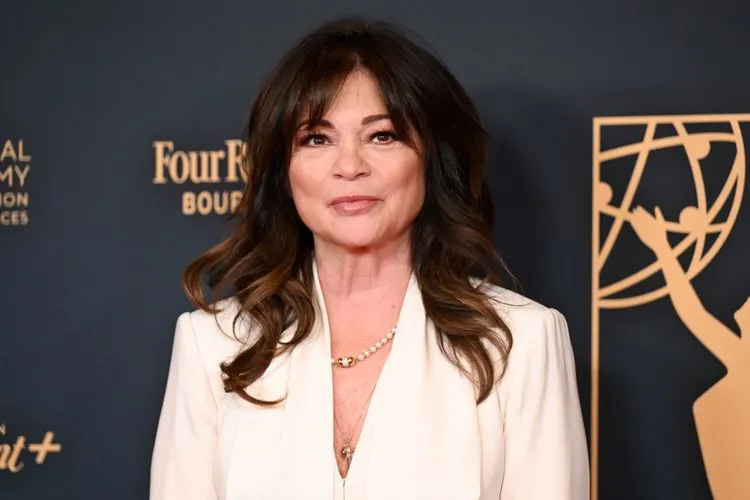
Looking back on her first marriage, Valerie said she can now recognize the difficult parts of that chapter and understand them with greater perspective. But she explained that the experiences she had in her later relationships affected her in a much more profound way.
One of the hardest emotions she described was shame—not simply because of what happened, but because she sometimes wonders why she remained in situations that didn’t feel healthy for her.
Dr. Ramani challenged that idea, reminding her that people don’t always recognize unhealthy dynamics while they’re living through them.
Valerie acknowledged that she has always considered herself emotionally aware and capable of setting boundaries. There were moments when she spoke up and made it clear that certain behavior wasn’t acceptable.
But she also recognized something important: eventually, a boundary has to become an action.
At some point, she said, she has to be able to tell herself, “I’ve had enough. I’m walking away.”
That realization became part of her healing.
Valerie also discussed how difficult it can be to establish boundaries in unhealthy relationships. Speaking up can sometimes lead to denial, manipulation, confusion, or escalating conflict, making a person question their own judgment.
Eventually, she reached a point where she decided she didn’t need to keep participating in those dynamics.
Instead, she chose to step back.
And although the experiences were painful, Valerie now sees them as lessons that changed her understanding of herself, her boundaries, and what she wants from a future relationship.
She hasn’t closed the door on love.
In fact, she remains hopeful about finding someone who brings peace rather than chaos. But if she dates again, she says she’s going to approach things differently—taking her time and keeping the details private until she knows where the relationship is going.
Her message is ultimately one of self-reflection:
You can regret what you tolerated without blaming yourself forever for it. Sometimes healing begins when you stop asking, “Why did I let this happen?” and start asking, “What do I need now?”
Valerie’s story is a reminder that recognizing your patterns, setting stronger boundaries, and choosing yourself can be part of the journey toward a healthier kind of love. ❤️