 By Admin
After 65, Your Legs May Be Warning You About Serious Health Problems: 3 Signs You Should Never Ignore
Have you recently noticed that your legs don’t feel as strong as they once did? Maybe you experience discomfort when walking, your ankles sometimes become swollen, or you find yourself holding onto furniture to maintain your balance.
For many people over 65, these changes seem like a natural consequence of getting older. They assume that slower walking, tired legs, and occasional discomfort are simply things everyone must accept with age.
But that isn’t always the case.
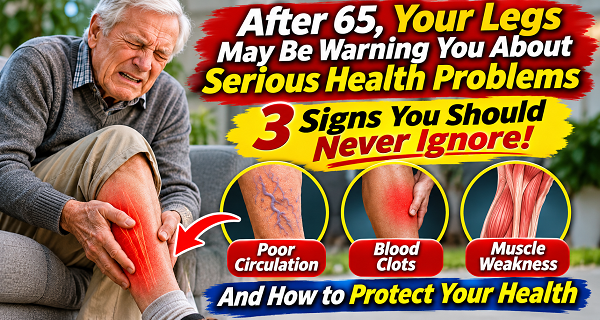
Sometimes, changes in your legs are among the first indications that something else is happening inside your body.
Your legs depend on a complicated system of blood vessels, muscles, nerves, and joints. All these systems work together to help you stand, walk, maintain balance, and remain independent.
When one of them stops functioning properly, noticeable changes can appear in your calves, thighs, ankles, or feet.
Some problems develop slowly, making them easy to overlook. Others can become serious medical emergencies if they are not recognized quickly.
The encouraging news is that paying attention to these changes can help you seek medical attention sooner and potentially prevent complications.
In this article, we’ll explore three important warning signs involving your legs after age 65, explain the health conditions that may be responsible, and discuss practical steps you can take to protect your circulation, strength, and mobility.
Let’s look at the first warning sign.
1. Your Legs Hurt When You Walk, but the Pain Disappears When You Rest
One symptom older adults should pay particular attention to is recurring leg discomfort that appears during physical activity.
Imagine walking through a shopping center or taking a short walk around your neighborhood.
Everything feels normal at first.
Then, after several minutes, you begin experiencing an uncomfortable cramping sensation in your calves. Your legs may feel heavy, painful, or unusually tired.
You stop walking and rest for a few minutes.
Gradually, the discomfort disappears.
You start walking again, only to experience exactly the same problem.
This repeating pattern may be associated with a condition called peripheral artery disease, or PAD.
What Happens When You Develop Peripheral Artery Disease?
Peripheral artery disease develops when the arteries responsible for carrying blood to your legs become narrowed or blocked.
This commonly happens because fatty deposits, known as plaque, accumulate inside the blood vessels.
As the arteries become narrower, less oxygen-rich blood can reach the muscles in your legs.
When you are resting, the available blood supply may be sufficient. However, when you begin walking or exercising, your muscles require additional oxygen.
If the circulation cannot meet that demand, discomfort and cramping can develop.
Doctors call this type of activity-related pain intermittent claudication.
Some people experience:
- Cramping in the calves after walking.
- Aching or burning sensations in the thighs.
- Discomfort when climbing stairs.
- Unusual tiredness or heaviness in the legs.
- Pain that improves after stopping and resting.
- Reduced ability to walk distances they previously managed easily.
Other possible signs include unusually cold feet, changes in skin color, and wounds on the toes or feet that take longer than expected to heal.
Not everyone experiences the same symptoms. Some people with peripheral artery disease have very few noticeable symptoms.
Why Does This Condition Matter More as You Get Older?
Peripheral artery disease is a condition that deserves attention because it can indicate a broader problem involving the cardiovascular system.
Several factors can increase the likelihood of developing PAD, including:
- Getting older.
- Smoking or having a history of smoking.
- Diabetes.
- High blood pressure.
- Elevated cholesterol.
- Atherosclerosis.
- Existing heart or blood vessel disease.
One important detail is that PAD does not affect only your ability to walk.
People with peripheral artery disease also have an increased risk of cardiovascular complications, including heart attacks and strokes.
That is why recurring leg pain during walking should never automatically be blamed on aging.
It deserves proper medical evaluation.
What Should You Do If You Experience These Symptoms?
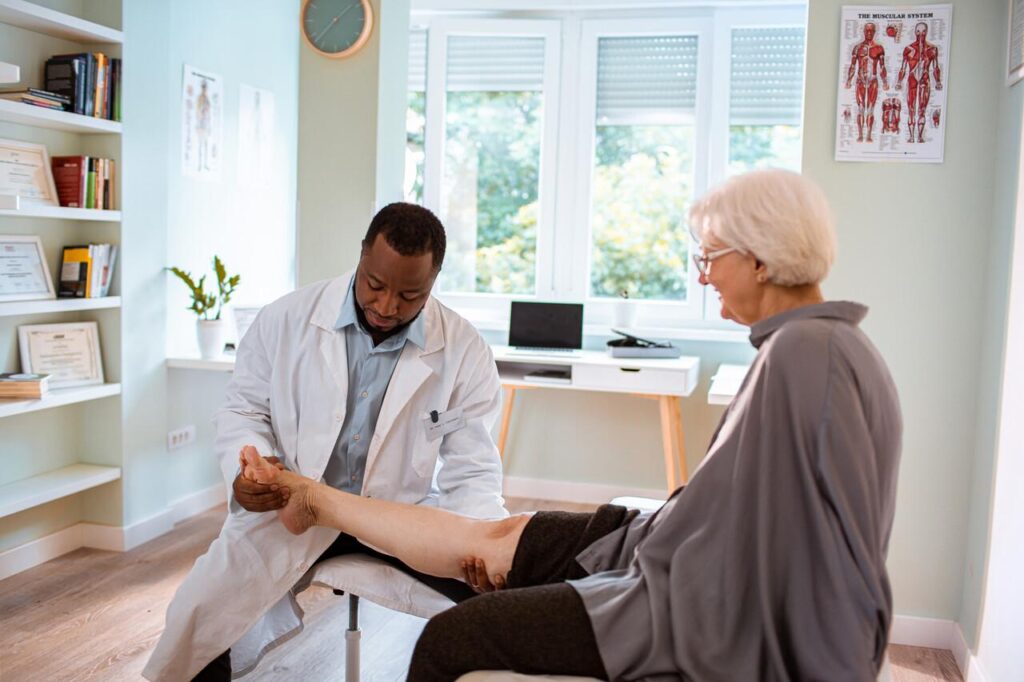
If you regularly notice calf pain or cramping while walking, make an appointment with your healthcare provider.
Your doctor may examine your legs and feet and recommend a test called the ankle-brachial index.
This test compares blood pressure measurements taken at your ankles and arms to help determine whether blood is flowing properly through the arteries in your legs.
Depending on the results, treatment may include:
- A supervised exercise and walking program.
- Quitting smoking.
- Better control of blood pressure.
- Treatment for high cholesterol.
- Improved diabetes management.
- Prescription medication when necessary.
- Vascular procedures in more advanced cases.
The most important step is recognizing that repeated walking-related pain may be a sign of a circulation problem rather than simply a normal part of getting older.
2. One Leg Suddenly Becomes Swollen, Painful, or Warmer Than the Other
The second warning sign is particularly important because it can sometimes indicate a potentially dangerous blood clot.
Take a moment to consider whether one of your legs has recently become noticeably larger than the other.
Perhaps your calf feels sore when you touch it. Maybe the skin appears red or discolored, or the affected area feels warmer than usual.
There are several possible explanations for these symptoms.
However, one condition that needs to be considered is deep vein thrombosis, commonly called DVT.
Understanding Deep Vein Thrombosis
Deep vein thrombosis occurs when a blood clot develops inside a deep vein, most frequently in the leg.
The clot can partially or completely interfere with normal blood flow.
As a result, the affected area may become swollen, painful, tender, or warm.
Some common warning signs include:
- Unexplained swelling in one leg.
- Pain or tenderness in the calf.
- Warmth around the affected area.
- Redness or unusual skin discoloration.
- Tenderness along certain veins.
- A noticeable difference in the appearance of the two legs.
It is important to understand that not everyone with DVT experiences obvious symptoms.
Some blood clots develop without producing noticeable warning signs.
This is one reason medical assessment is so important when unexplained symptoms appear.
Why Can a Blood Clot Become Life-Threatening?
The biggest danger associated with DVT is that part of the clot can break away and travel through the bloodstream toward the lungs.
When this happens, it can block blood flow in the lungs and cause a condition called pulmonary embolism.
A pulmonary embolism is a serious medical emergency.
Possible symptoms include:
- Sudden difficulty breathing.
- Unexpected chest pain, especially when breathing deeply.
- A rapid or irregular heartbeat.
- Dizziness or fainting.
- Coughing up blood.
If you suddenly develop chest pain or difficulty breathing, seek emergency medical assistance immediately.
Likewise, unexplained swelling and pain in one leg should receive urgent medical evaluation, especially when accompanied by warmth or discoloration.
Do not try to determine whether you have a clot by yourself.
If DVT is suspected, avoid massaging the affected leg and seek professional medical advice promptly.
How Can You Lower Your Risk of Developing Blood Clots?
Although it is impossible to prevent every blood clot, certain habits and precautions may reduce your risk.
Here are several useful measures:
- Avoid sitting in the same position for many hours.
- Take regular movement breaks during long car journeys or flights.
- Walk around when it is medically appropriate.
- Follow medical instructions after surgery or hospitalization.
- Maintain a healthy weight.
- Discuss your personal risk factors with your doctor.
People who have previously experienced blood clots, recently undergone surgery, or have certain medical conditions may need additional preventive treatment.
One important precaution: do not begin taking aspirin or blood-thinning medication simply because you are worried about developing a clot.
These medications can have significant risks and should only be used according to appropriate medical advice.
3. Your Legs Are Becoming Weaker, and Everyday Activities Are Getting Harder
The third warning sign can develop so gradually that many older adults barely notice the changes at first.
Perhaps you used to stand up from your favorite chair without thinking about it.
Now you need to push yourself upward using both hands.
Maybe climbing a flight of stairs leaves your legs exhausted, or you find yourself holding onto furniture when walking around your home.
You might also notice that your walking speed has decreased and that activities you once enjoyed now require considerably more effort.
These changes should not automatically be accepted as an unavoidable consequence of aging.
One possible explanation is sarcopenia, a condition involving the gradual loss of muscle mass and strength.
What Is Sarcopenia, and Why Does It Affect Your Legs?
Sarcopenia is the progressive loss of skeletal muscle strength and muscle mass that can occur as people grow older.
It can significantly affect the muscles responsible for supporting your body and helping you move.
Your thighs, hips, and calves play essential roles in everyday activities, including:
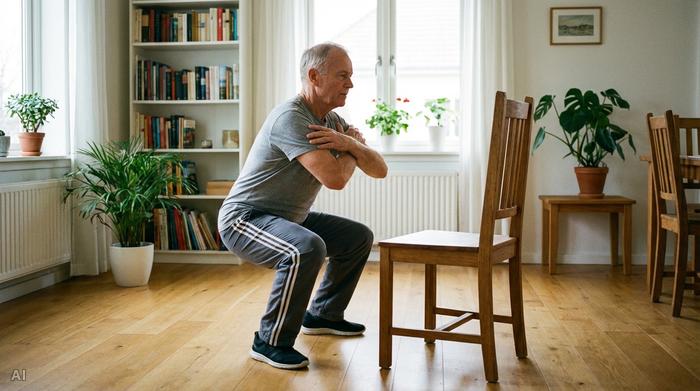
- Standing up from a chair.
- Walking across a room.
- Climbing stairs.
- Maintaining balance.
- Getting into and out of a vehicle.
- Carrying groceries and other everyday objects.
When these muscles become weaker, ordinary activities can gradually become more difficult.
Some possible signs of reduced muscle strength include:
- Needing your arms to push yourself out of a chair.
- Walking more slowly than before.
- Difficulty climbing stairs.
- Becoming tired after relatively short periods of activity.
- Feeling less stable while standing or walking.
- Having difficulty carrying objects that once felt easy to lift.
However, sarcopenia is not the only possible explanation for leg weakness.
Medication side effects, nutritional deficiencies, nerve disorders, and other medical conditions can also contribute to muscle weakness.
If your strength is declining or the problem is getting worse, arrange a medical evaluation.
Why Should You Take Weak Legs Seriously?
Your leg muscles are closely connected to your independence.
They allow you to move around your home, visit friends, go shopping, enjoy outdoor activities, and complete everyday tasks without depending on someone else.
When your muscles become weaker, your ability to perform these activities may gradually decrease.
Weakness can also affect balance and increase the possibility of falling.
For older adults, falls can result in serious injuries, including broken bones and head injuries.
The National Institutes of Health identifies muscle weakness, balance problems, medical conditions, and certain medications as factors that can contribute to falls among older people.
Fortunately, losing some strength does not necessarily mean you cannot improve it.
With suitable physical activity, appropriate nutrition, and professional guidance when necessary, many older adults can maintain or improve their strength and balance.
Four Simple Ways to Support Your Leg Strength at Home
You do not need an expensive gym membership or complicated exercise equipment to work on your mobility.
Some simple movements can help maintain the muscles you use every day.
Before starting a new exercise routine, particularly if you already have balance problems or significant pain, discuss your options with your healthcare provider or physical therapist.
1. Practice Sitting Down and Standing Up
This movement helps strengthen the muscles used when getting out of a chair.
- Sit in a sturdy chair with your feet resting flat on the floor.
- Lean your upper body slightly forward.
- Push through your feet to stand up.
- Slowly lower yourself back into the chair.
- Repeat only as many times as you can do safely.
Use your hands for support if necessary.
2. Try Supported Heel Raises
Heel raises work the calf muscles and can help improve lower-leg strength.
- Stand behind a stable chair.
- Hold the back of the chair for balance.
- Slowly lift your heels off the ground.
- Pause briefly.
- Lower your heels in a controlled movement.
Avoid doing this exercise without support if you feel unsteady.
3. Make Gentle Walking Part of Your Routine
Walking is a practical way to maintain mobility and physical activity.
Start with a comfortable distance that matches your current ability.
As your strength and endurance improve, you may gradually increase the time you spend walking.
However, do not push through severe pain, dizziness, chest discomfort, or unusual shortness of breath.
Stop exercising and seek appropriate medical advice if these symptoms occur.
4. Include Safe Balance Activities
Balance exercises can help improve coordination and stability.
Some older adults benefit from appropriately modified tai chi or exercises recommended by a physical therapist.
If you have previously fallen or regularly feel unsteady, ask a professional to recommend movements that are safe for your situation.
Five Daily Habits That Can Help Keep Your Legs Healthy After 65
Recognizing warning signs is only one part of protecting your health.
The everyday decisions you make can also influence your circulation, muscle strength, and ability to remain active.
Here are five habits worth incorporating into your routine.
1. Avoid Spending Too Much Time Sitting
Remaining inactive for long periods can contribute to reduced mobility and muscle weakness.
Try to include regular movement throughout your day.
Depending on your abilities, this might involve:
- Taking short walks around your home.
- Spending time gardening.
- Performing gentle stretching exercises.
- Walking with a friend or family member.
- Joining an exercise class designed for older adults.
You do not need to perform intense workouts.
The important thing is to remain appropriately active and avoid pushing yourself beyond your physical limits.
2. Give Your Muscles the Nutrition They Need
Your muscles need adequate nutrients to maintain their strength and function.
Protein is particularly important because it provides the building blocks your body uses to maintain muscle tissue.
Consider including foods such as:
- Eggs.
- Fish.
- Chicken.
- Beans.
- Lentils.
- Greek yogurt.
- Milk and other dairy products.
A balanced eating pattern should also include vegetables, fruits, whole grains, and healthy fats.
If you have kidney disease or another medical condition requiring dietary restrictions, discuss your individual protein requirements with your healthcare provider.
3. Drink Enough Fluids Throughout the Day
Staying hydrated supports many normal functions throughout the body.
However, some older adults do not recognize thirst as easily as they once did.
Try to maintain an appropriate fluid intake throughout the day.
Water is generally a suitable choice.
People with heart failure, kidney disease, or medical conditions requiring fluid restrictions should follow their doctor’s recommendations rather than increasing their intake independently.
4. Check Your Feet Regularly
Your feet play an essential role in maintaining balance and supporting your body weight.
Even a relatively small foot problem can make walking uncomfortable or difficult.
Make a habit of checking your feet for:
- Cuts or scratches.
- Blisters.
- Unusual swelling.
- Changes in skin color.
- Unexpected temperature differences.
- Wounds that are not healing properly.
Wear comfortable shoes with adequate support and nonslip soles.
People with diabetes should be particularly careful about foot health and follow their healthcare provider’s recommendations for regular examinations.
5. Keep Your Blood Pressure, Cholesterol, and Blood Sugar Under Control
Several common health conditions can damage blood vessels over time.
High blood pressure, diabetes, and elevated cholesterol can all contribute to problems affecting circulation.
Regular medical checkups help identify these conditions and determine whether your current treatment is working.
If you smoke, quitting is another important step toward protecting your blood vessels.
Take prescribed medication as directed and discuss any unwanted side effects with your healthcare provider.
When Should You Seek Medical Attention for Leg Problems?
Occasional tiredness or mild discomfort does not necessarily indicate a dangerous condition.
Nevertheless, certain changes should never be ignored, especially when they are new, persistent, or becoming progressively worse.
Arrange a medical evaluation if you notice:
- Repeated calf pain when walking.
- Increasing weakness in your legs.
- Unexplained swelling.
- Persistent numbness or tingling.
- Feet that are unusually cold or discolored.
- Cuts or wounds that are slow to heal.
- Increasing difficulty maintaining your balance.
Some symptoms require more urgent attention.
Sudden swelling and pain in one leg may indicate deep vein thrombosis and should be assessed urgently.
If you experience sudden chest pain, breathing difficulties, or fainting, contact emergency medical services immediately.
Sudden severe leg pain accompanied by a cold, pale, or numb foot can also indicate an emergency involving blood circulation.
Do not wait for these symptoms to disappear on their own.
Frequently Asked Questions About Leg Health After 65
1. Why do older adults experience weaker legs?
Muscle mass and strength can gradually decrease with age. However, significant weakness may also be related to sarcopenia, nutritional deficiencies, medication effects, nerve problems, or other medical conditions. Persistent weakness deserves medical assessment.
2. What are the early signs of poor circulation in the legs?
One common sign of peripheral artery disease is cramping or aching in the legs during walking that improves after resting. Other possible symptoms include cold feet, numbness, changes in skin color, and wounds that heal slowly.
3. Why do my legs feel heavy after walking a short distance?
Heavy legs can result from several conditions, including muscle fatigue, circulation problems, venous disease, nerve disorders, and medication side effects. If the sensation happens regularly or becomes worse, consult your healthcare provider.
4. Does walking help improve leg circulation after age 65?
Regular physical activity can support cardiovascular health and mobility. For people diagnosed with peripheral artery disease, a structured or supervised walking program may help improve their walking ability. The appropriate exercise plan depends on individual health and physical limitations.
5. What are the best exercises for strengthening weak legs at home?
Chair sit-to-stand movements, supported heel raises, gentle walking, and appropriate balance exercises can help older adults maintain leg strength. Anyone with existing mobility difficulties should seek professional guidance before beginning a new exercise program.
6. Should I worry if only one leg becomes swollen?
Yes, unexplained swelling in one leg deserves attention, particularly if it occurs together with pain, tenderness, warmth, or changes in skin color. These symptoms can be associated with deep vein thrombosis, which requires urgent medical assessment.
7. Which foods help older adults maintain strong muscles?
Foods containing protein, including eggs, fish, chicken, beans, lentils, yogurt, and milk, can help provide the nutrients needed for muscle maintenance. A balanced diet combined with appropriate physical activity supports healthy aging.
Final Thoughts: Protect Your Legs and Protect Your Independence
As the years pass, paying attention to changes in your body becomes increasingly important.
Your legs are responsible for much more than simply helping you walk.
They allow you to remain independent, visit family and friends, enjoy outdoor activities, travel, shop, and participate in the everyday experiences that make life enjoyable.
Three changes deserve particular attention: recurring pain during walking, sudden swelling or discomfort in one leg, and increasing muscle weakness.
These symptoms do not automatically mean that you have a life-threatening condition.
However, they can sometimes be early indications of medical problems that require attention.
The best approach is to recognize unusual changes, avoid dismissing persistent symptoms, and seek medical advice when something does not feel right.
Stay active within your abilities, eat nutritious meals, pay attention to your feet, and keep up with regular health appointments.
Remember: Aging is a natural part of life, but giving up your independence should never be something you simply accept. Taking care of your legs today can help you maintain your mobility, confidence, and quality of life for many years to come.
Medical Disclaimer: This article is provided for general educational purposes and is not a substitute for professional medical advice, diagnosis, or treatment. Consult a qualified healthcare professional about new, persistent, or concerning symptoms. Seek emergency medical assistance for symptoms that could indicate a pulmonary embolism or sudden severe loss of blood circulation.