For Six Decades, Nashville Tried to Measure Their Success in Chart Hits — But Dolly Parton and Loretta Lynn Built a Private Sisterhood That Outlasted the Industry Itself
When Loretta Lynn died on October 4, 2022, at the age of ninety at her home in Hurricane Mills, Tennessee, country music lost one of its most fearless pioneers. Tributes flooded in from every corner of the industry, honoring the songwriter who helped redefine American storytelling. But among all those public statements, Dolly Parton’s words carried something different.
She wasn’t just speaking as a fellow Hall of Famer or chart rival. She was saying goodbye to a sister — one she’d known for more than fifty years, since they were both unknown singers fighting just to get their songs played on the radio.
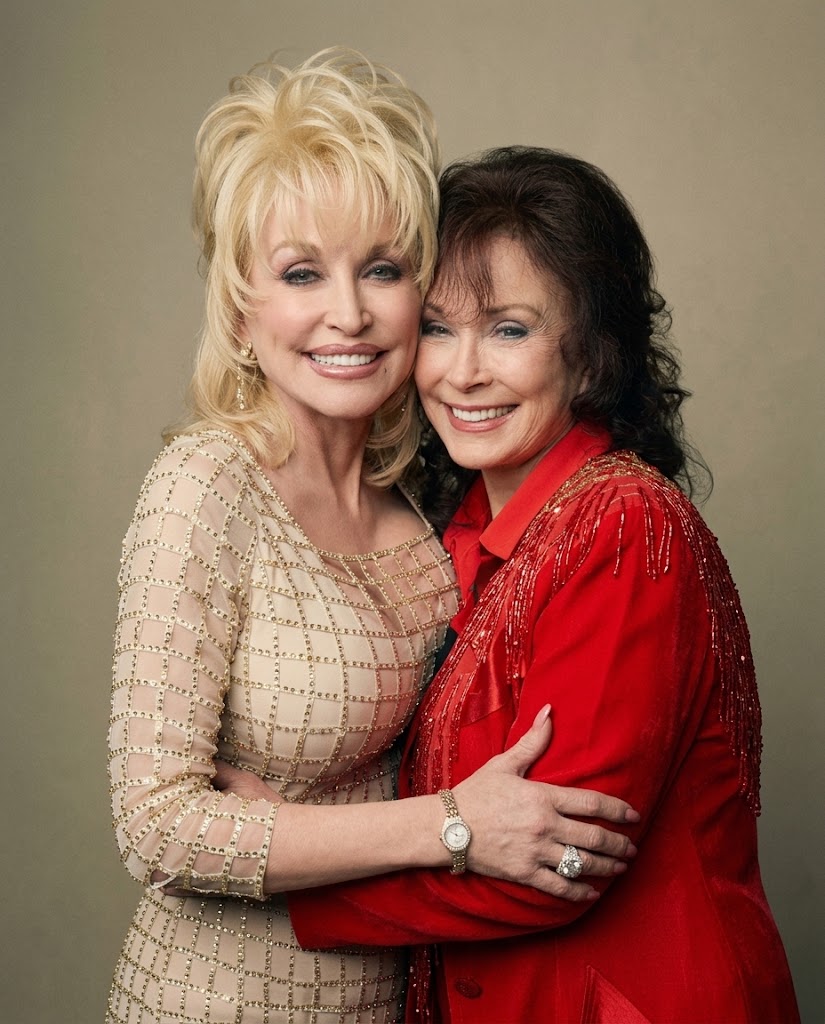
Their bond was built on shared hardship. Lynn came out of the coal-mining hollows of Butcher Hollow, Kentucky. Parton grew up in a one-room cabin in the Great Smoky Mountains. Both arrived in Nashville in the 1960s carrying the weight of rural poverty and a stubborn determination to be heard.
Back then, Music Row had little room for independent women. Female singers were slotted into supporting roles — “girl singers” on male-hosted TV shows — and pitted against each other for the single radio spot programmers were willing to give a woman.
Dolly and Loretta refused that script. Instead of competing, they built a private space where the industry couldn’t reach them.
Behind closed dressing-room doors and in late-night phone calls, they talked about the things nobody else saw — the exhaustion of endless touring, the fight to own their own publishing, the pressure of keeping up a persona for millions of strangers. In those moments, they could set the wigs and the stage makeup aside and just be two mountain women holding each other up.
That quiet alliance gave both women the nerve to take full control of their own work. Lynn wrote unflinchingly about the double standards working-class women faced. Parton fought to keep her publishing rights and built an empire that reached far past country music.
Through every shift in the industry, their friendship held. Even into their seventies and eighties, as Nashville kept chasing younger faces, the two of them kept releasing music and showing up for each other.
When Lynn died, Parton was left in a strange kind of solitude — one of the last people alive who remembered exactly what those early years cost. In her tribute, she didn’t talk about awards or record sales. She stepped back from her own fame and simply honored the woman who made room for everyone who came after her.
Nashville once expected two poor girls from Appalachia to fight each other for a spotlight. Instead, they proved the strongest thing they ever built together was loyalty.