 By Admin
 Bryan Seaver, the country music legend’s longtime head of security, is challenging a restraining order filed by her estate’s management. He says his private messages have been taken out of context as a dispute over business relationships and unpaid bills moves toward a court hearing.
The legal dispute surrounding Dolly Parton’s estate has taken another turn after her nephew, Bryan Seaver, formally denied allegations that he threatened the singer’s business interests and people connected to her estate.
In a court filing submitted in Tennessee on October 13, 2026, Seaver pushed back against a temporary restraining order sought by Danny Nozell, Parton’s longtime manager. Seaver maintains that messages cited as evidence against him were private conversations between two people dealing with grief, frustration, and business disagreements.
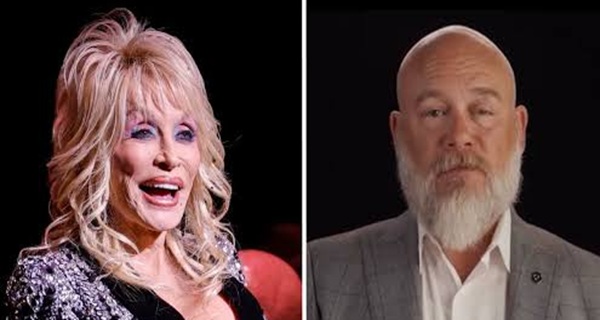
The case has drawn attention because Seaver was not only Parton’s nephew but also her longtime head of security. The disagreement has now become a public legal dispute involving the management of the late singer’s business interests and the people who worked closely with her.
Why Dolly Parton’s Estate Is at the Center of the Dispute
Parton’s estate is managed through an entity called She’s Alive, which was established to protect and oversee her business interests. The organization is run by Nozell, who had worked with the country music icon for years.
According to court documents, She’s Alive terminated Seaver and his private security company, Squadron Augmented Protection Services, in early September. The organization subsequently sought a restraining order, alleging that Seaver had engaged in threatening and intimidating conduct.
The estate’s filing argued that the alleged behavior had made it impossible to continue working with him.
A Tennessee judge granted a temporary restraining order that restricts Seaver and his company from entering She’s Alive properties, contacting its employees and business partners, or interfering with its business relationships.
The order also establishes a 1,000-foot distance restriction involving specified people connected to the organization.
Bryan Seaver Says His Messages Were Misinterpreted
In his response to the court, Seaver disputed the estate’s characterization of his communications.
He described the messages as private exchanges between friends who were frustrated and grieving, rather than threats directed at the estate or its business partners.
Seaver also argued that Nozell had previously responded positively to some of the messages now being cited against him. According to Seaver’s filing, conversations about promoting his security company’s military-related capabilities had initially been treated as a business strategy before later being presented as evidence of potentially dangerous behavior.
He denied threatening physical harm to Nozell, She’s Alive employees, or the company’s business associates.
Seaver acknowledged that some of his messages contained crude and profane language, but maintained that the allegations of intimidation were false.
These statements represent Seaver’s defense of himself. The competing allegations have not been finally resolved by the court.
The Dispute Also Involves an Alleged Unpaid Debt
Another important element of the disagreement concerns money that Seaver says his company is owed.
In his court filing, Seaver claimed that his frustration stemmed from more than $250,000 in unpaid bills for completed work by Herschend Family Entertainment, the company associated with Dollywood and Parton’s SongTeller Hotel.
He argued that his messages arose from a commercial dispute rather than an intention to harm Parton’s legacy or business interests.
The estate, however, has presented a different account of the situation, alleging that Seaver’s conduct went beyond an ordinary disagreement over payment.
The court will need to consider the evidence and arguments presented by both sides before the underlying issues can be settled.
Why the Restraining Order Matters to His Family
Seaver has also challenged the breadth of the temporary restrictions.
He argues that because Parton’s business network extends throughout Nashville, the order makes it difficult for him to move freely in parts of the city and maintain contact with relatives who are connected to the singer’s business operations.
He has described the restrictions as disruptive to his personal relationships and his interests as a beneficiary of Parton’s trust.
The disagreement is therefore not limited to professional responsibilities. It also raises questions about how the estate’s management, family relationships, and legal protections will coexist while the dispute remains unresolved.
A Long History With Dolly Parton
Seaver’s relationship with Parton adds another layer to the case.
He served as her head of security for many years, and his court filing included a 2024 letter in which Parton praised him and his company.
He was also the person Parton selected to announce her death, according to the Associated Press report. That role reflected the close professional relationship he had maintained with her.
The current dispute represents a sharp break from that history, with Seaver and the estate’s management now presenting competing accounts of the events that led to his dismissal and the court restrictions.
What Happens Next?
A court hearing is scheduled for October 20, 2026, when the parties are expected to present their arguments concerning the temporary restraining order.
The proceedings could clarify the scope of the restrictions and determine whether they should remain in place. Until then, the allegations and denials should be treated as competing claims rather than established findings.
Representatives for She’s Alive and Nozell were contacted for comment, according to the Associated Press report.
For those following Parton’s legacy, the dispute highlights the complicated work involved in managing a major artist’s business interests while navigating disagreements among people who were once part of her close professional circle.
Protecting a Legacy Amid a Public Disagreement
Dolly Parton built a career that reached far beyond country music, becoming known for her songwriting, philanthropy, business ventures, and enduring connection with fans.
The current legal dispute does not change that body of work, but it places renewed attention on the responsibilities involved in managing her estate and protecting the interests associated with her name.
For now, both sides are standing by their accounts. Seaver insists his communications have been misinterpreted, while the estate has argued that legal protections are necessary.
The October 20 hearing is the next important step in determining how the dispute will proceed. Until the court considers the competing arguments, the central questions surrounding the alleged threats, the business disagreement, and the future of the restraining order remain unresolved.
This article is based on reporting published by KAIT8 and The Associated Press on October 13–14, 2026. Allegations are attributed to the relevant parties, and no final judicial determination is implied.