Donald Trump Escalates Media Clash Over Iran War Coverage
Donald Trump reignited his long-running battle with the media over the weekend, accusing certain outlets of spreading misinformation during the ongoing conflict with Iran—and even suggesting some should face treason charges.
In a lengthy post on Truth Social on March 15, Trump claimed Iran has become highly skilled at manipulating public opinion, particularly through the use of artificial intelligence to create fake images and stories that exaggerate its military strength. He described Iran as “militarily weak,” but effective at pushing propaganda amplified by what he calls the “Fake News Media.”
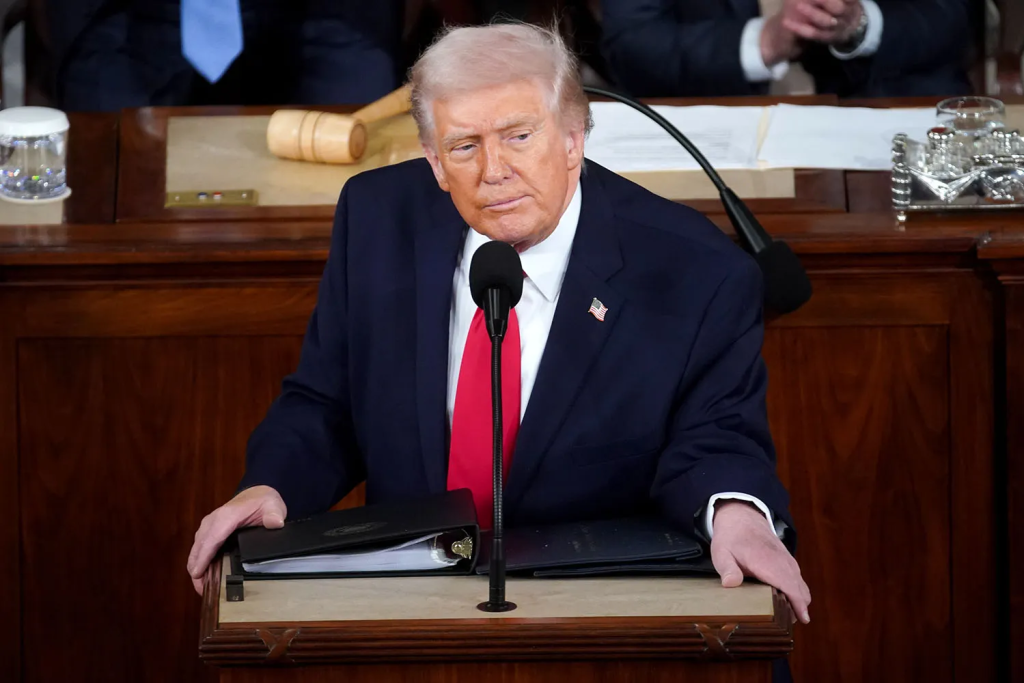
Trump specifically dismissed viral reports and images showing so-called “kamikaze boats” and alleged damage to U.S. assets. He rejected a Wall Street Journal report claiming U.S. Air Force refueling planes were hit at Prince Sultan Air Base, and firmly denied any attack on the USS Abraham Lincoln, calling circulating footage of the carrier on fire completely fabricated.
“Not only was it not burning, it was not even shot at,” Trump wrote, insisting Iran “knows better” than to attempt such an attack.
He went further, arguing that media outlets knowingly spreading false wartime information should be held accountable, even raising the possibility of treason. Trump also praised Brendan Carr for reviewing broadcast licenses of networks he labeled “corrupt and unpatriotic.”
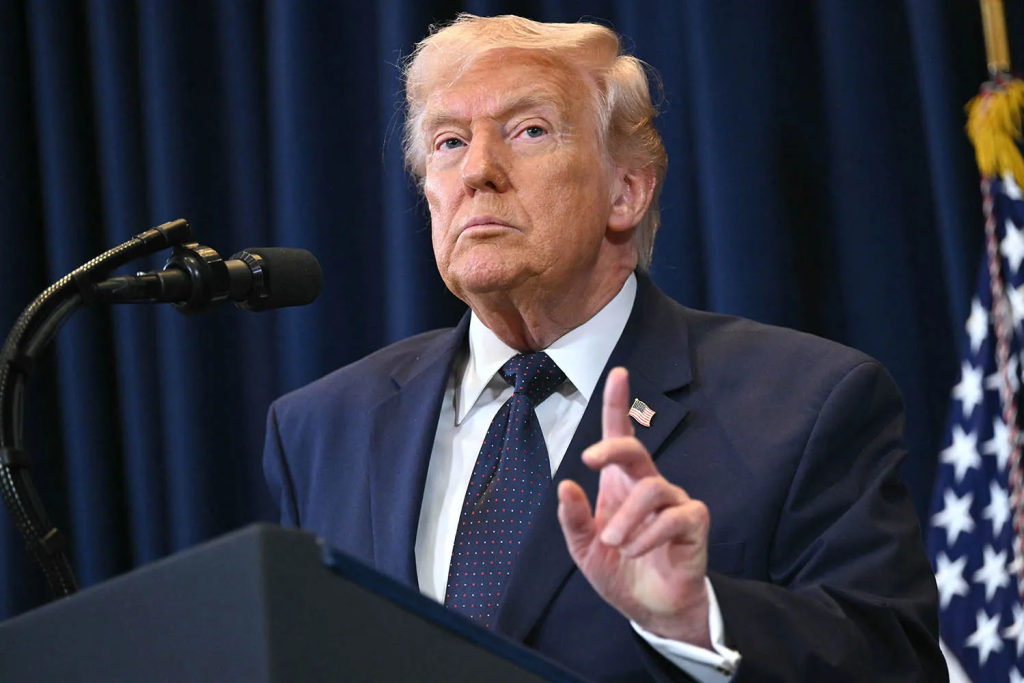
This isn’t new territory. Trump has frequently clashed with journalists, including Maggie Haberman, as well as reporters from CNN and The Washington Post.
Meanwhile, fact-checkers, including Agence France-Presse, have confirmed that some viral footage—such as images of the Lincoln under attack—was indeed AI-generated. Both the Pentagon and U.S. Central Command denied any strike on the ship.
The conflict itself began on February 28, with U.S. and Israeli strikes aimed at weakening Iran’s leadership and halting its nuclear program.
The remarks quickly sparked debate online. Critics see them as another escalation in Trump’s attacks on the press, while supporters argue he’s pushing back against what they see as biased and potentially harmful reporting during a time of war.


